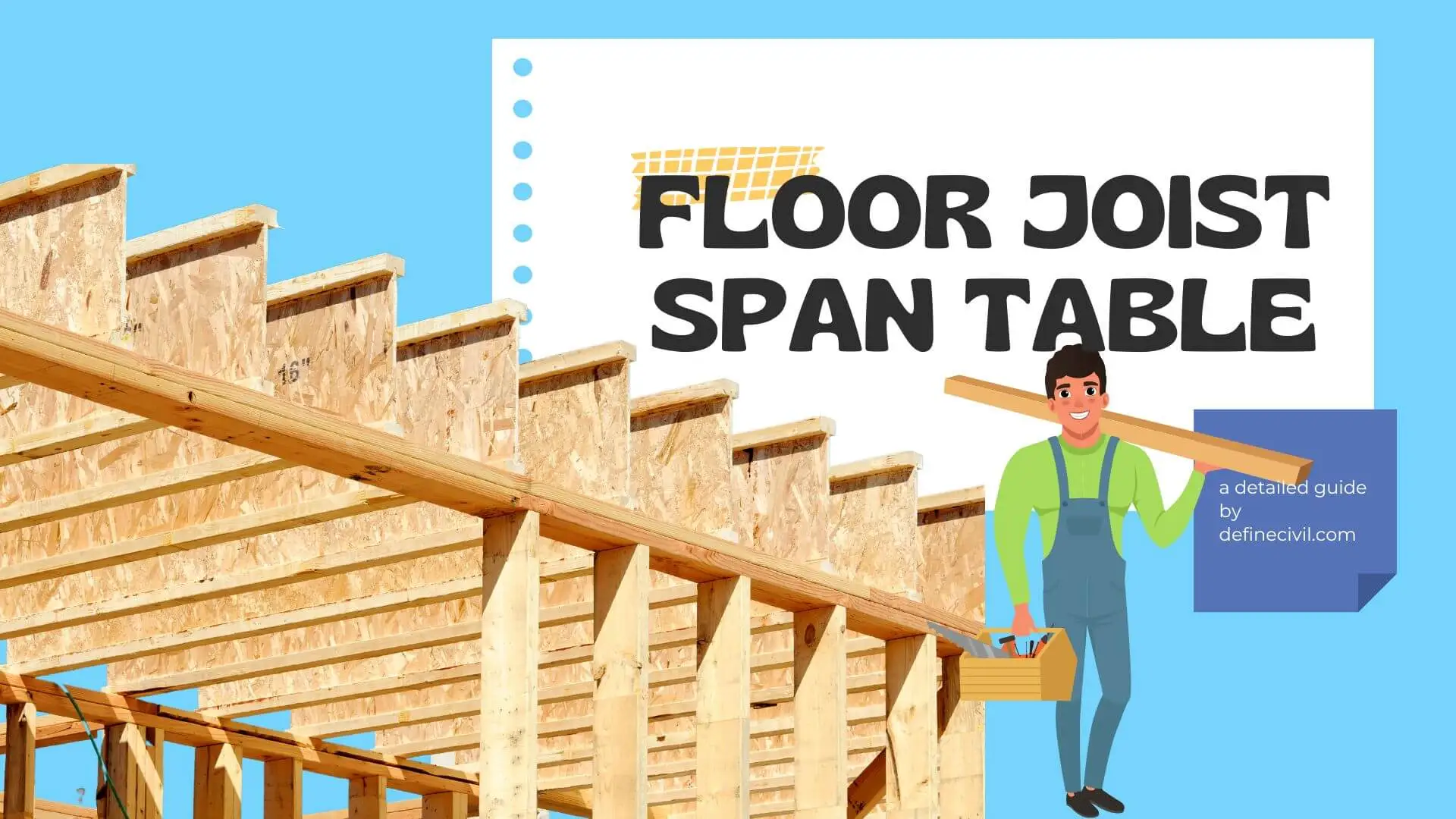

Manufactured flooring joists play a vital role in new construction, providing substantive morphologic documentation for floors crossways residential, commercial, and industrial buildings. These engineered woodwind products are intentional to supplant traditional dimensional lumber in many frame applications, offering coherent force, dimensional stability, and cost efficiency. Unlike solid sawn timber, manufactured joists are produced using advanced manufacturing processes that combine wood fibers, adhesives, and controlled drying techniques to create lightweight yet durable components. Their standardized dimensions and predictable performance make them idealistic for spanning distances up to 24 feet or more, reducing the require for mediate supports and enabling open, pliable interior spaces. Understanding how manufactured floor joists are made, their benefits, and proper installation is crucial for builders, architects, and homeowners aiming to control safe, recollective permanent floor systems.
Engineered woodwind composites with wood fibers and adhesivesSolid dimensional timber (e. g., yen, fir)Resistant to warping and shrinkage thanks to controlled manufacturingProne to front with humidity and temperature changesUp to 24 feet with proper pattern and livelihoodTypically modified to 16 20 feetLower corporeal and transport costs due to consistent sizingHigher cost due to processing and premium technology| Feature | Manufactured Floor Joists | Solid Lumber Joists |
|---|---|---|
| Material Composition | ||
| Strength to Weight Ratio | Higher due to optimized grain alignment and density | Lower, especially under heavy lots |
| Dimensional Stability | ||
| Span Capacity | ||
| Cost Efficiency |
Note: Proper spacing and fastening of manufactured joists are decisive to maintaining structural unity and preventing deflection over sentence.
The advantages of using manufactured base joists extend besides morphologic execution. They offer significant advantages in expression zip, as prefabricated joists get ready to install, reduction on situation labor and gathering time. Their consistent dimensions simplify frame, allowing for faster layout and alignment, which is specially good in modular or prefab building systems. Additionally, because they are engineered for uniformity, they belittle wild and better material use on job sites. Environmentally, many manufacturers now integrate recycled forest fibers and low emission adhesives, encouraging sustainable building practices.
Note: Always verify local construction codes ahead selecting joist type, as regulations may specialise minimal strength, span, or fire resistance requirements.
Despite their benefits, manufactured floor joists expect thrifty manipulation during installation. Improper livelihood spacing, wrong fastener selection, or inadequate anchoring can compromise performance. It s substantive to come producer guidelines regarding load ratings, span limits, and connection details. In seismic zones or high wind areas, additional bracing or specialised connections may be necessary to ensure refuge. Regular inspections during expression assistant place issues early, preventing pricy rework or morphologic bankruptcy subsequently.
Note: Moisture exposure during installing should be minimized to prevent adhesive degradation and long term weakening of the joint bonds.
In summary, manufactured floor joists exemplify a chic development in structural framing, combining engineered precision with hardheaded building benefits. Their consistent character, allay of use, and adaptability brand them a preferent choice for new builders quest honest, effective, and price efficacious floor systems. When properly specified, installed, and maintained, these joists deliver durable performance crosswise diverse construction types, supporting safer, stronger, and more sustainable structures.
Related Terms:
- timber joist base twist
- where to buy floor joists
- engineered lumber floor joists
- plate depot tji joists
- weyerhaeuser floor joists
- plyboard i ray base joists